Monica P.
OregonLaurie and the rest of the team were amazing. We were able to be seen quickly and got such valuable results. My daughter is now getting support she needs because of this great service. I am so grateful!!!

If you’re searching for answers about dyslexia, dyscalculia, dysgraphia, other learning challenges, or ADHD, we provide comprehensive evaluations accepted nationwide.

5-Star Rated

If you’re searching for answers about ADHD, dyslexia, dyscalculia, dysgraphia, or other learning challenges, we provide comprehensive evaluations accepted nationwide.
5-Star Rated


Accepted by 550+ Colleges & Universities

21+ Years of Expertise

Serving all 50 States
Research shows that 1 in 5 individuals has a learning or attention difference. Conditions like ADHD, dyslexia, dyscalculia, and dysgraphia are more common than most families realize.
Many children and adults go years without a proper educational or neuropsychological evaluation. Struggles with reading, math, writing, memory, focus, or executive functioning are often misunderstood until a comprehensive diagnostic assessment is completed.
Schedule an evaluation today.

Our comprehensive evaluation looks at all areas of learning and processing and can diagnose all of the following:




A reading disorder impacting how sounds and letters form words. It can affect word recognition, decoding, reading fluency, and spelling.
A specific learning disability in math that impacts number sense, problem-solving, and understanding mathematical concepts.
A writing disorder affecting fine motor skills and written expression, making handwriting, spelling, and organizing thoughts on paper difficult.
A neurodevelopmental disorder that affects attention, organization, and impulse control, often making it hard to stay focused or complete tasks efficiently.
Our comprehensive evaluation looks at all areas of learning and processing and can diagnose all of the following:
A reading disorder impacting how sounds and letters form words. It can affect word recognition, decoding, reading fluency, and spelling.
A specific learning disability in math that impacts number sense, problem-solving, and understanding mathematical concepts.
A writing disorder affecting fine motor skills and written expression, making handwriting, spelling, and organizing thoughts on paper difficult.
A neurodevelopmental disorder that affects attention, organization, and impulse control, often making it hard to stay focused or complete tasks efficiently.


Students with disabilities may receive accommodations on assessments. Our evaluations meet ACT/SAT requirements.
Colleges provide support for students with learning disabilities like dyslexia and ADHD. Our evaluations give the documentation needed to qualify for these services.
Our evaluations provide documentation for accommodations on exams like the GRE, MCAT, LSAT, and NCLEX.
Learning challenges can exist outside the classroom. Our evaluations assist adults in identifying difficulties that may impact job performance and provide documentation for workplace accommodations.
Students with disabilities may receive accommodations on assessments. Our evaluations meet ACT/SAT requirements.
Colleges provide support for students with learning disabilities like dyslexia and ADHD. Our evaluations give the documentation needed to qualify for these services.
Our evaluations provide documentation for accommodations on exams like the GRE, MCAT, LSAT, and NCLEX.
Learning challenges can exist outside the classroom. Our evaluations assist adults in identifying difficulties that may impact job performance and provide documentation for workplace accommodations.
Since 2004, Diagnostic Learning Services has delivered comprehensive ADHD and learning disability evaluations across all 50 states and internationally.

Years of Combined Diagnostic & Educational Expertise

Five-Star Reviews

Evaluations Completed

Colleges & Universities Accept Our Evaluations Nationwide Evaluation Services
Navigating the diagnostic journey can feel overwhelming. Our simple process makes each step clear, comfortable, and supportive from start to finish.

We discuss concerns, academic history, and determine the appropriate diagnostic testing plan.


Clients complete standardized assessments with a certified diagnostician to evaluate cognitive functioning, academic achievement, and attention regulation.

We’ll review the findings together in clear, easy-to-understand terms, and create a personalized road map with recommendations tailored to you or your student’s unique needs and goals.

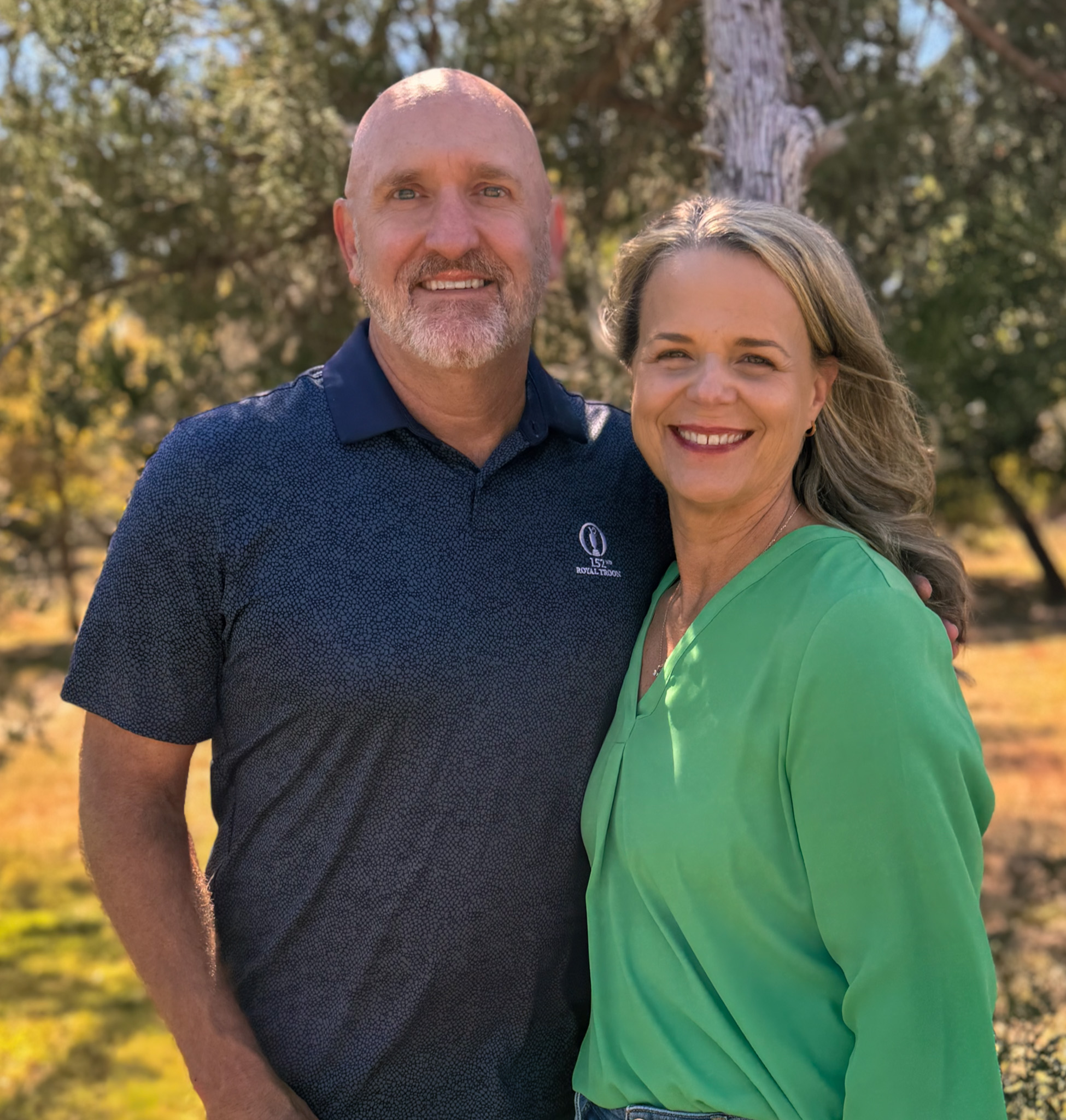
Diagnostic Learning Services was built on a foundation of expertise and heart. Founded by Lori and Tim Peterson, our practice combines decades of specialized experience with a heartfelt commitment to each client's success.
We understand that behind every evaluation is a person seeking clarity, support, and the tools to thrive. That's why we approach every assessment with both clinical excellence and genuine care.

Built on genuine care and commitment to every client

Decades of combined expertise in psychoeducational assessment

Personalized approach focused on your unique needs and goals
Join our newsletter for expert insights, research updates, and practical strategies related to
ADHD evaluations, dyslexia testing, dyscalculia assessment, and academic accommodations.
Explore our educational resources and connect with our community

Explore conversations on ADHD, dyslexia, neuropsychological testing, academic success, and accommodations hosted by Laurie Peterson.

Our blog provides research-based information on ADHD testing, learning disability evaluations, standardized testing accommodations, and executive functioning support strategies.

Connect with trusted professionals in our network for additional support and specialized services.
Find answers to common questions about our diagnostic services and processes.
A psycho-educational evaluation is a comprehensive assessment designed to provide a clear, detailed picture of how someone learns, processes, and retains information. It involves tests that measure cognitive abilities (like memory, problem-solving, and reasoning skills), academic achievement (reading, math, and writing performance), or attention difficulties.
These assessments are crucial to help identify learning disabilities, ADHD, or other learning-related challenges while providing clear documentation and a detailed roadmap of an individual’s strengths and areas of need. This information helps parents, educators, or employers understand why someone may be struggling and what types of supports, accommodations, or interventions will be most effective. Without a comprehensive evaluation, it can be difficult to accurately pinpoint the root of these challenges or how to provide meaningful, effective support moving forward.
Yes, absolutely. Our comprehensive reports are meticulously designed to meet the rigorous standards and specific documentation requirements set forth by all educational institutions and testing authorities.
Diagnostic Learning is committed to staying up-to-date on the latest evolving guidelines, laws, and best practices across the educational and testing landscapes. The documentation you receive from us will be current, compliant, and universally accepted, giving you peace of mind and reducing the stress of the accommodations process.
Once you’re ready to move forward, appointments are typically scheduled within 10–14 days of your call with us, depending on availability.
After testing is completed, our team needs approximately 10–14 days to review the results and prepare a detailed evaluation report. You’ll then meet with a director for a comprehensive follow-up meeting, who will walk you through the results in clear, easy-to-understand terms and provide a personalized roadmap of recommendations and next steps.
Yes! Learning differences don’t only affect children. Many adults discover later in life that they’ve been compensating for learning or attention challenges for years without answers. We test individuals of all ages, including college students and working professionals who may need documentation for academic, workplace, or professional exam accommodations.
Check out the Many more Questions Answered



© 2026 Diagnostic Learning. All rights reserved. Privacy Policy | Terms of Use | Cookie Policy


